
Our team attended WOSAS 2026 to explore the latest innovations in AI surveillance, biometric access, and unified ICT infrastructure. Here is what these key security trends mean for modern enterprise facilities.
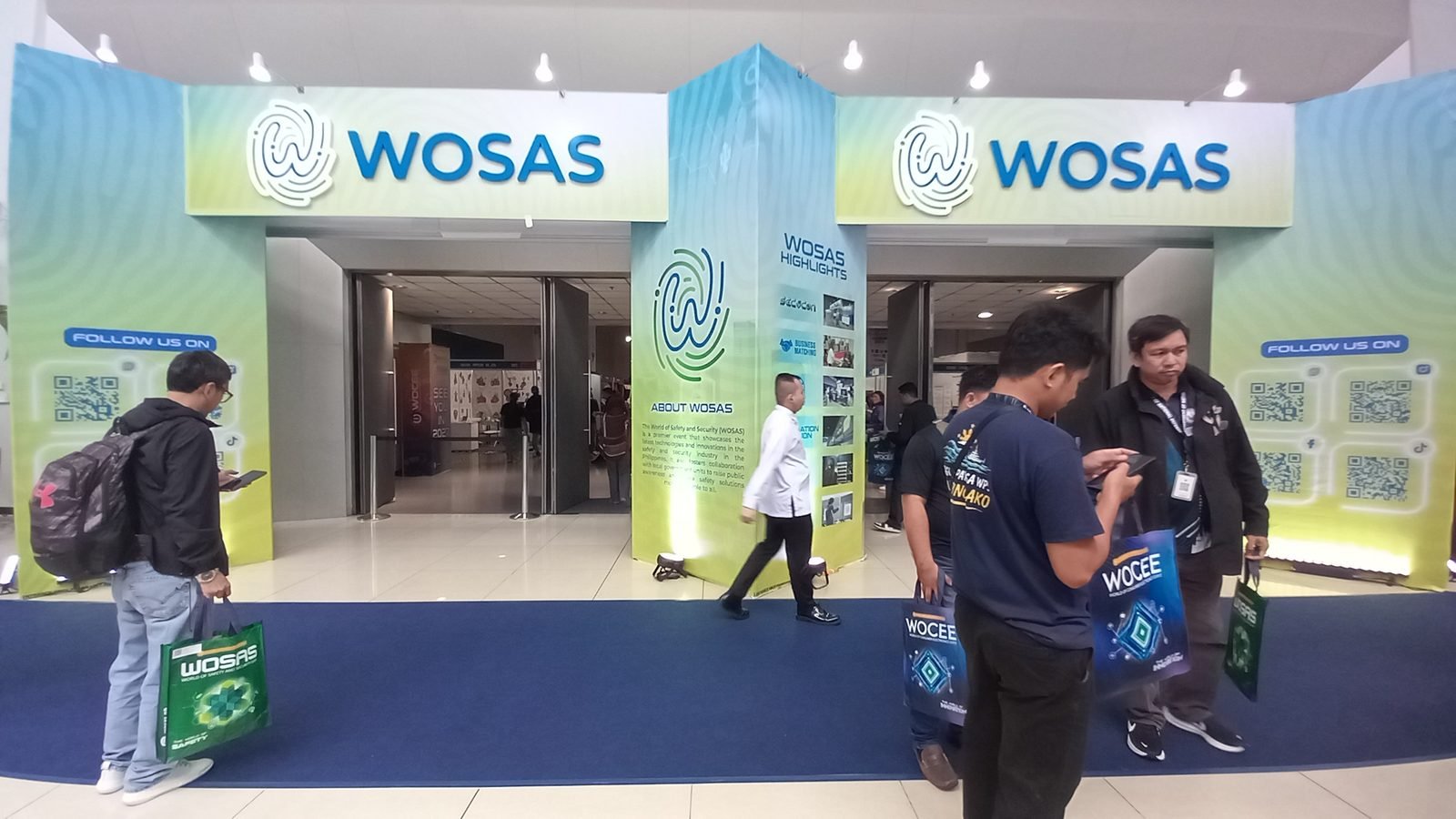
As physical security and digital IT environments converge, maintaining a modern, robust network infrastructure is critical for enterprise security. Our project team recently attended the World of Safety and Security Expo (WOSAS 2026) at the SMX Convention Center in Manila — the premier trade exhibition for physical security, surveillance systems, emergency response, and smart building technology.
From AI-powered CCTV surveillance to cloud-managed access control, here are the major security technology trends shaping the industry, and how they impact commercial ICT deployment.
Video surveillance has evolved beyond basic recording. The latest CCTV installations leverage AI edge analytics directly on the hardware layer. Features once reserved for high-budget military applications are now standard commercial offerings:
Modern security devices are no longer isolated networks — they rely heavily on robust IT foundations. Unified ICT system integration bridges previously separate hardware categories into one ecosystem:
Traditional keycards and standalone access units are giving way to centralized, cloud-hosted security management:
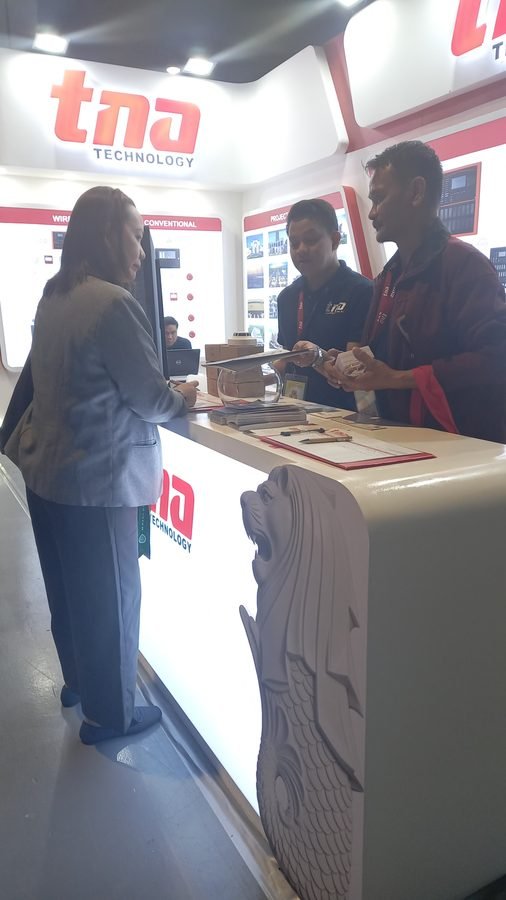
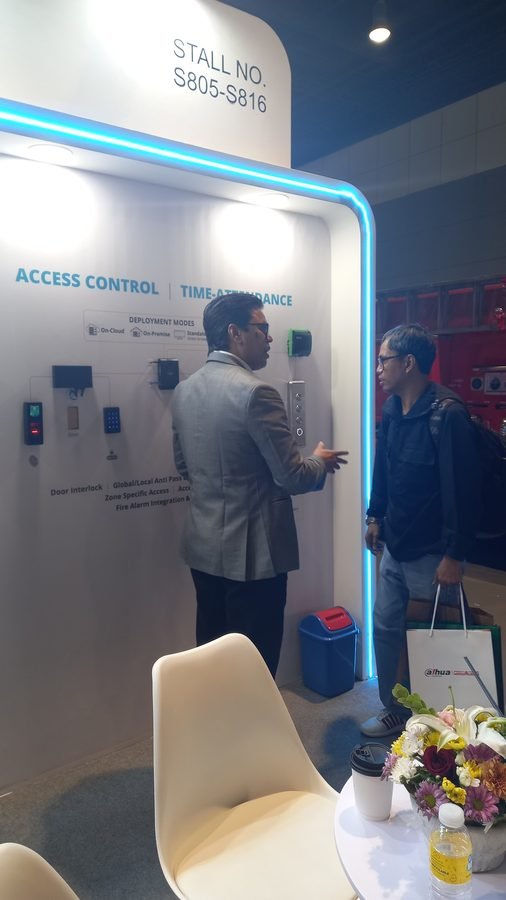
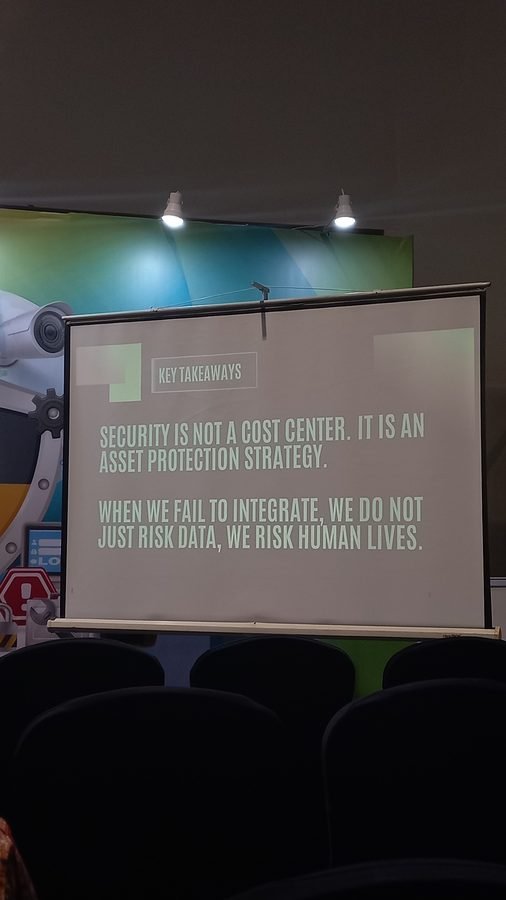
Integrated Building Management Systems (BMS) showcased how emergency detection, fire safety, and surveillance can communicate instantaneously. When emergency protocols trigger across a unified structured network, incident response times drop drastically, ensuring life-safety compliance across large-scale facilities.
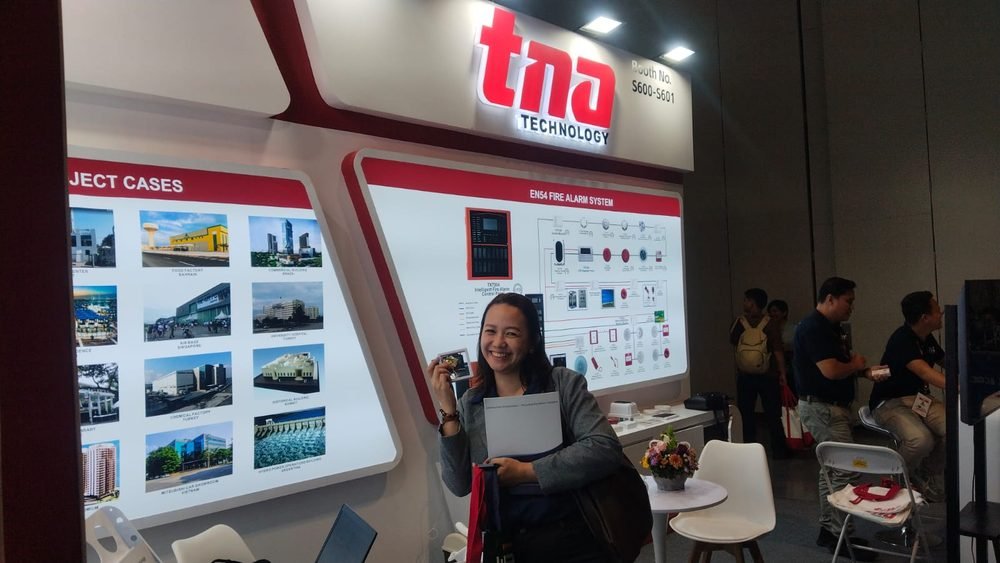
Attending events like WOSAS allows our technical team to bring cutting-edge hardware and best-practice deployment strategies straight to your ongoing projects. Whether you require a full structured cabling overhaul, an enterprise CCTV installation, or integrated access control setups, building on a reliable foundation ensures maximum uptime and scalability.
Ready to upgrade your system architecture? Contact our ICT and security specialists to evaluate your current setup and discuss your next project installation.
WOSAS 2026 highlighted major advances in AI edge-analytics for CCTV systems, the convergence of physical security with structured ICT cabling, cloud-managed biometric access control, and integrated building automation systems (BMS) for emergency response.
AI edge analytics enable CCTV systems to perform automated License Plate Recognition (LPR), perimeter intrusion classification, facial recognition, and behavioral monitoring directly on the hardware layer — reducing false alarms and delivering real-time actionable intelligence.
Modern physical security devices rely on high-capacity IT networks. Unified ICT integration combines high-speed structured cabling, IP telephony, and cloud access control into a single ecosystem, ensuring low latency, zero downtime, and better data security.
Cloud-managed access control eliminates physical keycards by using mobile credentials (NFC/BLE) and biometrics. It enables IT and security directors to manage access policies, door logs, and emergency lockdowns remotely across multiple sites from a unified dashboard.
If our work or our writing has helped you, a review on Google helps other businesses find us — and tells us what to write about next.
Rate us on GoogleOpens Google in a new tab. Reviews are public and managed by Google.
Structured cabling, enterprise CCTV, access control and BMS integration — delivered by SIRA-certified engineers.
Get in Touch